For Seattle homeowners, a plumbing emergency like a burst pipe or leaking appliance during our rainy seasons can quickly turn from a manageable inconvenience into a major water damage crisis. The aftermath impacts not only flooring and walls, but often carries hidden risks such as mold and weakened structural elements. Knowing what comes next is critical for making smart choices, protecting your property, and minimizing disruption.
How a Plumbing Emergency Leads to Water Damage
A burst pipe or significant leak introduces an immediate source of water that can saturate drywall, soak flooring, and seep into basements or crawlspaces. In regions like Seattle, where homes often have basements and older plumbing infrastructures, plumbing failures are an ongoing local concern. When this type of plumbing issue is not caught quickly, it can lead to secondary problems, including mold growth, wood rot, and in some cases, electrical hazards.
Once you notice excessive water or signs of a leak such as warped floors, discoloration on ceilings, or a musty odor, it’s crucial to act fast. Shut off your main water supply and reach out to emergency plumbing professionals to stop the water at its source.
Steps in the Water Damage Restoration Process
Once the water flow is halted, the process transitions into water damage restoration. Seattle-area restoration experts begin by surveying the affected areas to create an action plan, which may include the following stages:
-
Water Extraction: Removing all standing water using industrial vacuums and pumps.
-
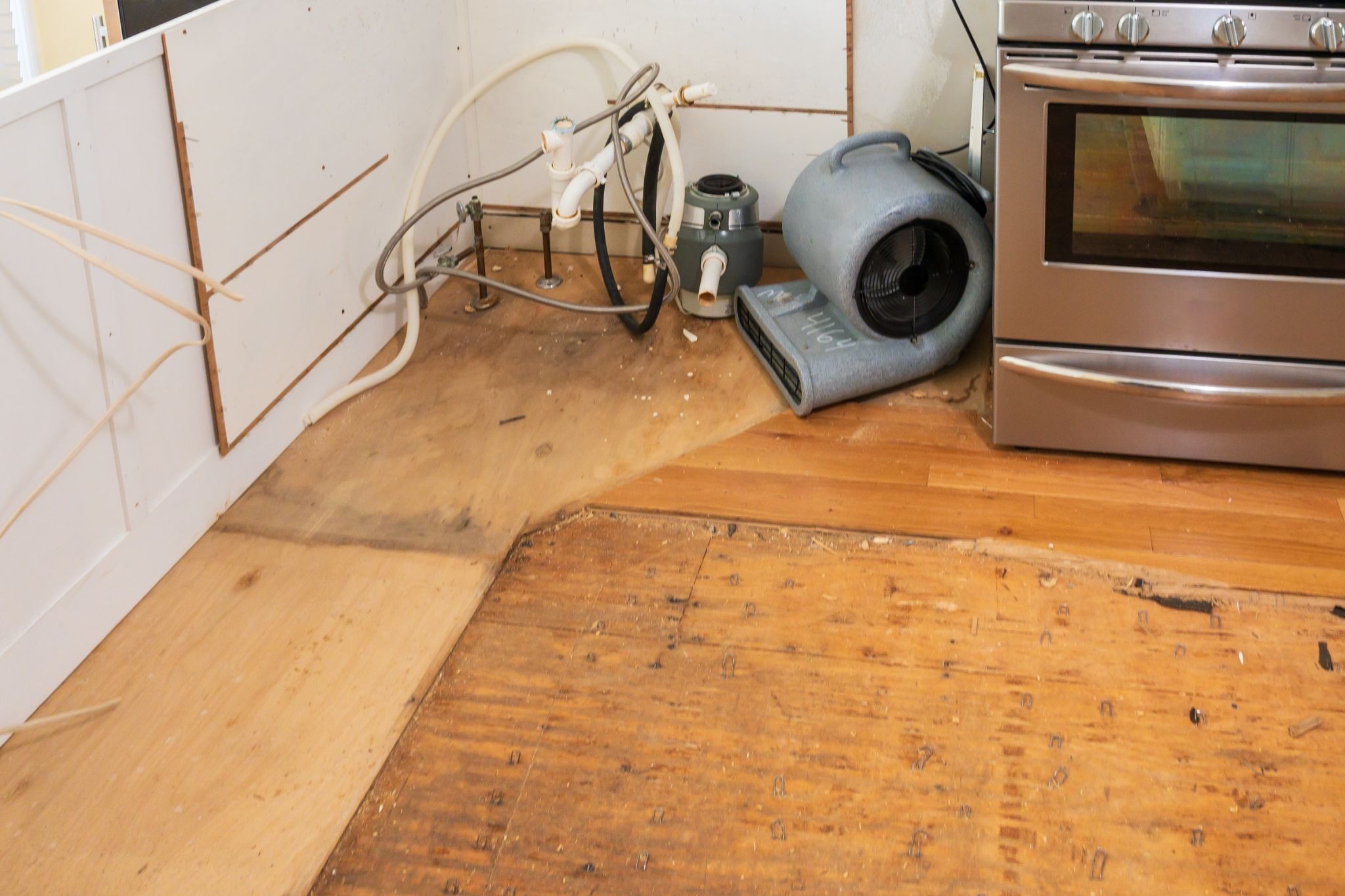
Drying and Dehumidification: Using specialized equipment, like air movers and dehumidifiers, to dry out the saturated materials. Seattle’s damp climate makes thorough dehumidification especially vital to prevent mold.
-
Cleaning and Sanitizing: Surfaces and belongings are cleaned to remove any residues and potential contaminants.
-
Mold Remediation: If necessary, targeted mold treatment removes spores and prevents regrowth.
This restoration process is adapted to seasonal considerations. In Seattle, increased rainfall in fall and winter can delay drying times. Professionals use tools to monitor humidity and moisture content, tailoring their process for efficiency in our local climate.
What to Expect During the Build-Back Phase
Once your space is fully dried and sanitized, some level of structural rebuild and repair is typically necessary. Damaged drywall, flooring, and cabinetry may be removed during restoration and require precise replacement. In Seattle’s older homes, the build-back process might also involve addressing historical construction methods to maintain your home’s integrity.
Your restoration contractor should provide a clear timeline and communicate openly about each step, from selecting new materials to painting and finishing touches. Throughout this process, expect regular project updates, especially if insurance claims are involved or if any unforeseen issues arise behind your walls or below your floors.
Tips for a Smooth Recovery Process
Navigating water damage repair is more manageable when you know what to expect and how to assist. Here are a few practical tips:
-
Document the initial damage with photos and video before cleanup begins.
-
Communicate promptly with your insurance adjuster and keep all receipts and reports.
-
Ask your restoration team about preventative plumbing solutions, such as leak detection systems or upgrades, to prevent repeat emergencies.
Partnering with professionals skilled in water damage restoration not only restores your property, but offers peace of mind, knowing your home’s safety and value are protected.
Contact True Blue Plumbing Northwest to Start Your Restoration
If you’re confronting water damage in your Seattle-area home, True Blue Plumbing Northwest of Tukwila, WA is ready to help you through every stage from emergency response to comprehensive water damage restoration and build-back. Call us today at (206) 653-4428 or fill out the online form to request immediate assistance and start your recovery with a trusted local partner.
So if you experience any home emergency, as our slogan says, and it's true, you can Trust in True to Serve You! While other contractors may give you the runaround, our word is our bond, which is true to you. Call us 24/7 at (206) 653-4428.
- Preventing Frozen Pipes in Your Seattle Home This Winter - September 17, 2026
- Trenchless Sewer Repair: A Less Disruptive Option for Seattle Homeowners - September 10, 2026
- Water Damage Restoration and Build-Back: What Seattle Homeowners Should Expect - September 3, 2026